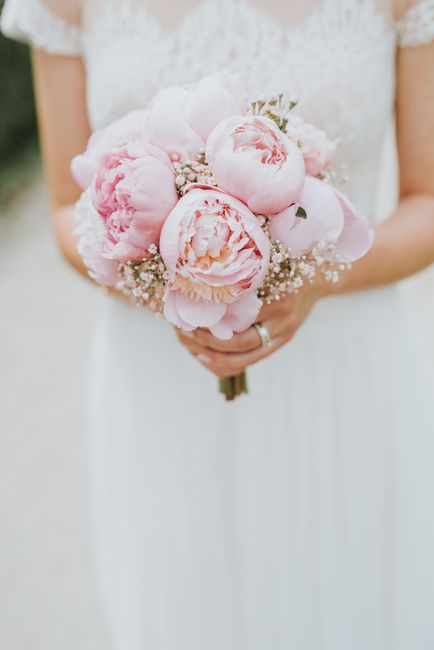
Posted on 27/10/2026
Wedding flowers in Dulwich Village trusted local florist: a practical guide to getting your wedding blooms right
Planning wedding flowers in Dulwich Village can feel wonderfully exciting right up until the details start piling up. Bouquet style, colour palette, ceremony flowers, reception pieces, timing, transport, budge-there's always one more thing to think about. If you want a trusted local florist to handle it calmly and properly, you are in the right place. This guide breaks down how wedding flowers in Dulwich Village trusted local florist services work, what to expect, and how to make choices that look beautiful on the day without turning the planning into a full-time job.
Dulwich Village has its own quiet charm. Think leafy streets, elegant venues, village greens, and that soft South London feel that suits flowers beautifully. The right florist will understand the scale of local venues, how to design for real London weather, and how to keep arrangements looking fresh from the first photograph to the last dance. Let's make it simple, then.
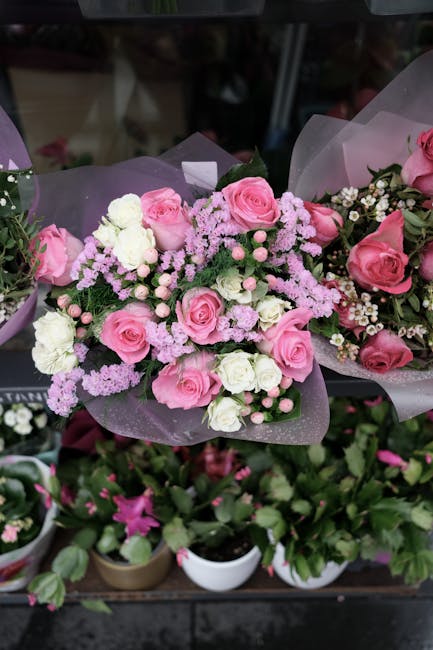
Table of Contents
- Why Wedding Flowers in Dulwich Village Trusted Local Florist Matters
- How Wedding Flowers in Dulwich Village Trusted Local Florist Works
- Key Benefits and Practical Advantages
- Who This Is For and When It Makes Sense
- Step-by-Step Guidance
- Expert Tips for Better Results
- Common Mistakes to Avoid
- Tools, Resources and Recommendations
- Law, Compliance, Standards, or Best Practice
- Options, Methods, or Comparison Table
- Case Study or Real-World Example
- Practical Checklist
- Conclusion
- Frequently Asked Questions
Why Wedding Flowers in Dulwich Village Trusted Local Florist Matters
Wedding flowers do far more than decorate a room. They set the tone of the day. A hand-tied bridal bouquet, carefully chosen buttonholes, and reception flowers that echo your venue style can make everything feel coherent, thoughtful, and special. In a place like Dulwich Village, where the surroundings already feel polished and intimate, flowers are often the detail that ties the whole event together.
Choosing a trusted local florist matters because weddings are not ordinary flower orders. They involve timing, coordination, delicate handling, and a lot of moving parts. A bouquet arriving late is annoying; a ceremony arch arriving late is a problem. A local florist can usually respond more quickly, understand local logistics, and work with you in a more personal way. That can make a real difference when you are balancing the final weeks before the wedding.
There is also something reassuring about working with someone who knows the area. They understand the feel of Dulwich Village venues, whether you are planning a classic church service, a garden-style gathering, or a modern reception nearby. That local insight helps with everything from scale to delivery windows. Truth be told, it is one of those things you appreciate most when the day finally arrives and everything just works.
Expert summary: The best wedding floristry is not only about beautiful flowers. It is about reliability, local knowledge, sensible planning, and designs that suit the space, the season, and your wedding day timing.
How Wedding Flowers in Dulwich Village Trusted Local Florist Works
The process usually starts with a conversation. You share your date, venue, theme, colours, dress details, and any flowers you already love. A good florist will then help refine that into a workable plan. Sometimes couples arrive with a very specific mood board. Sometimes they simply know they want "soft, romantic, and not too fussy." Both are fine. Really.
From there, the florist will normally suggest a flower palette, the most suitable seasonal stems, and the core pieces you may need. For most weddings this includes bridal bouquets, bridesmaid bouquets, buttonholes, ceremony flowers, table arrangements, and maybe a statement piece for photos or an entrance table. Some couples keep it minimal, others go all in. Both approaches can be elegant if they are well considered.
Local wedding floristry also tends to involve more practical planning than people expect. Delivery times need to fit the ceremony schedule, setup may need to happen before guests arrive, and the florist may need access details for venues with tight entry points or limited parking. In Dulwich Village, those small logistics matter. A charming venue with narrow access and a strict setup window does not leave much room for guesswork.
If you are ordering through a florist who also offers related flower services, it can be useful to browse their wider range. For example, many couples start with seasonal inspiration from wedding flowers and collections and then narrow down to bridal pieces or table designs that suit the day. That can be a sensible way to explore style without feeling overwhelmed.
Key Benefits and Practical Advantages
Working with a trusted local florist for wedding flowers in Dulwich Village has a few very practical advantages, and they are not all glamorous. Some are about timing. Some are about stress reduction. Some are simply about getting better results for your money.
- Better local coordination: Delivery and setup are easier when your florist knows the area and the typical access quirks of local venues.
- More relevant design advice: A florist familiar with London weddings can suggest blooms that suit both the season and the venue scale.
- Fresher handling: Flowers spend less time in transit, which helps them look their best on the day.
- Less stress: You are dealing with someone who understands wedding timing, not just a standard bouquet order.
- Better matching: A good florist can align bouquets, buttonholes, and table pieces so the styling feels connected.
There is also a subtle but important benefit: accountability. If something needs adjusting, a local florist is easier to reach and more likely to be able to solve it quickly. That peace of mind is worth a lot in the final run-up to a wedding. Honestly, it's one less thing for you to think about while everyone else is asking where the ribbons went.
Another advantage is flexibility around style. Dulwich Village weddings can lean traditional, modern, romantic, or relaxed, and a local florist should be able to adapt accordingly. You are not buying a one-size-fits-all package. You are shaping a design that should feel like your day, not a showroom display.
Who This Is For and When It Makes Sense
This approach suits couples who value personal service, local knowledge, and flowers that feel tailored rather than generic. It is especially useful if you want the florist to help translate ideas into a complete wedding look rather than just deliver a bouquet and hope for the best.
It makes sense if you are:
- getting married in or around Dulwich Village
- working with a church, registry, venue, or private home setting
- wanting coordinated bridal, ceremony, and reception flowers
- short on time and needing a florist who can guide the decisions
- looking for designs that feel seasonal, tasteful, and not overdone
- comparing a few trusted florists before booking
It also suits couples who are not especially flower-obsessed, to be fair. You do not need to know the difference between lisianthus and hydrangea before the first conversation. A good florist will explain options in plain English and help you make choices that work with your budget and your style. That's the job, really.
If you are exploring options beyond weddings too, a florist with a broad local service range can be reassuring. You may not need it now, but it helps to know they also understand local florist services in East Dulwich, which often reflects the same practical approach to service, freshness, and delivery care.
Step-by-Step Guidance
Here is the simplest way to plan wedding flowers without getting lost in the weeds. Sorry, had to do that one.
- Start with the venue and date. These two details shape everything else. A winter ceremony, for example, often calls for a different texture and palette than a late-summer wedding.
- Set a rough style. Decide whether you want classic, romantic, modern, garden-inspired, bold, or minimal. A few reference images are enough.
- List your must-haves. Bridal bouquet, bridesmaid bouquets, buttonholes, table arrangements, ceremony pieces, and any extras like petals or a floral centrepiece.
- Be honest about budget. Good florists can work creatively at different spending levels, but they need a real number, not a hopeful shrug.
- Ask what is seasonal. Seasonal flowers are often better value and usually look more natural than trying to force out-of-season stems.
- Confirm timings and delivery details. This is one of the most important steps. The flowers need to arrive fresh, on time, and in the right place.
- Request a final summary. Make sure you understand what is included, what is not, and who to contact if anything changes.
Some couples prefer to keep the process loose until closer to the day. That can work, but there should still be a clear outline. A florist can only prepare properly if the brief is sensible. A vague "something gorgeous" is lovely in spirit, but not especially useful in production.
One small but helpful detail: think about photographs. Flowers that look beautiful in person also need to hold up in pictures. Soft textures often photograph beautifully in Dulwich's gentler light, especially in the late afternoon. You will notice this more than you expect.
Expert Tips for Better Results
After handling enough wedding briefs, a few patterns become obvious. The best results usually come from clear direction, realistic expectations, and a bit of trust in the florist's judgement.
- Bring three reference images, not thirty. Too many examples can make the style muddled. Three good ones usually tell the story.
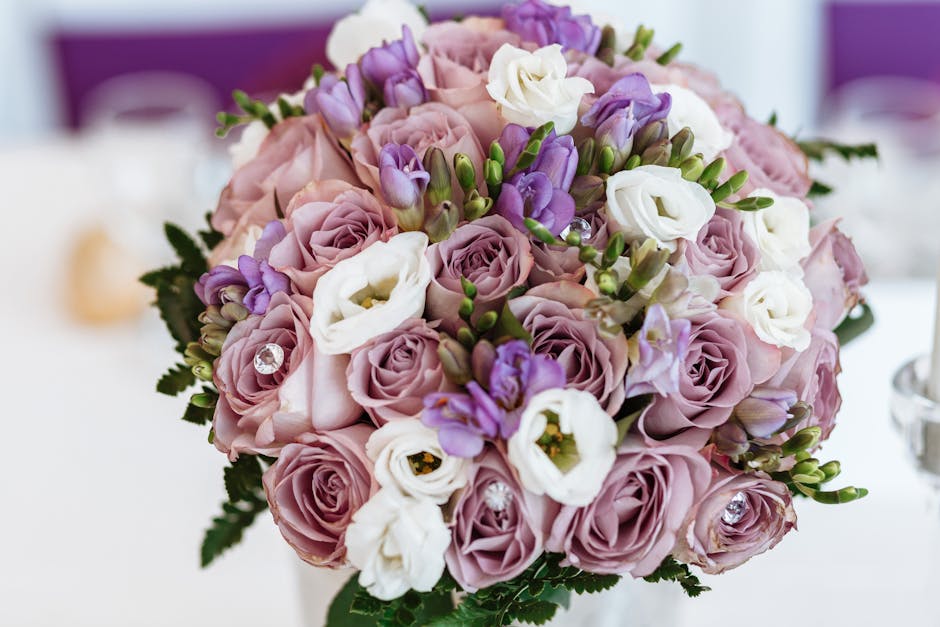
- Choose a colour family first. Once the palette is set, the rest becomes much easier. Creams, blush tones, white and green, soft lilac, and classic rose combinations are all popular for a reason.
- Let the venue influence the scale. A grand arrangement can look perfect in one room and overpowering in another.
- Use flowers strategically. Not every space needs a full floral moment. Sometimes one well-placed arrangement does more than several smaller pieces.
- Trust seasonal substitutions. If a particular bloom is unavailable or fragile, a skilled florist can suggest a close alternative that keeps the look intact.
And here's the thing: the best florists rarely just "follow orders." They advise. They nudge. They sometimes say, gently, that a very complex idea might not be the easiest or prettiest choice on the day. That honesty is valuable.
If you like to compare styles, it can help to look at specialist bridal pieces such as bridal bouquets alongside complementary items like bridesmaid bouquets and buttonholes. Seeing those pieces together makes it easier to judge whether the whole wedding story feels balanced.
Common Mistakes to Avoid
Wedding flower mistakes are often not dramatic. They are usually small planning errors that snowball later. Easy to do, especially when there are a hundred other decisions flying around.
- Leaving flowers too late. Good wedding florists can book up early, especially for popular dates.
- Choosing only by price. Budget matters, of course, but value, reliability, and finish matter too.
- Ignoring seasonal availability. If you want blooms that are out of season, expect limited options or a higher cost.
- Forgetting the practical pieces. Buttonholes, table arrangements, and ceremony decor are easy to overlook until the last minute.
- Not discussing delivery access. Venues with limited parking or timing restrictions need extra planning.
- Overcomplicating the brief. A clear, elegant plan almost always works better than a crowded one.
Another common issue is underestimating how much floral style changes in different lighting. Candles, natural daylight, and evening reception lighting can all make colours read differently. A florist who has seen this before will usually guide you away from surprises. That bit of experience matters more than people realise.
Tools, Resources and Recommendations
You do not need a box full of wedding-planning gadgets to get this right. A handful of simple tools and decisions will do most of the heavy lifting.
- A mood board: A saved folder of images helps clarify style and avoid vague descriptions.
- A guest and venue plan: Knowing where people sit and where the key focal points are will help decide how many flowers you actually need.
- A colour swatch or fabric sample: This is particularly useful if your dress, bridesmaid outfits, or linens have a strong tone.
- A realistic budget range: Even a broad number is more useful than none.
- A florist checklist: Ceremony, bridal party, reception, delivery, setup, and collection if needed.
For product inspiration, it can help to browse wedding-specific collections rather than general bouquets. For example, some couples like to look at a broader range of wedding corsages or a coordinated table arrangements selection to see how smaller details connect to the main bouquet design.
And if you want the day to feel cohesive without becoming overdesigned, consider whether a single flower family should lead the whole plan. Roses, lisianthus, orchids, lilies, or mixed seasonal stems can each give a very different feel. One family, one clear direction. It keeps things calm.
Law, Compliance, Standards, or Best Practice
Wedding floristry in the UK is not usually about complex legal compliance in the way some industries are, but there are still standards and good practice expectations worth respecting. For example, a florist should handle fresh flowers safely, store them appropriately, and deliver them in a condition that matches the agreed brief. That sounds obvious, but weddings are exacting events, and "good enough" is not really good enough.
It is also sensible to check the florist's terms on deposits, cancellations, substitutions, and delivery arrangements. Wedding plans do change, sometimes at the last minute, and you want to know what happens if dates move or a venue access window shifts. Clear written expectations protect both sides. Not glamorous, but very useful.
If you are using flowers in a church or venue with specific rules, ask early about setup times, candle restrictions, or where arrangements can be placed. Some venues are more flexible than others. The florist should be comfortable working within those rules and helping you avoid awkward surprises on the day.
Best practice also means honest communication. If a certain bloom is fragile, seasonal, or difficult to source reliably, a trustworthy florist will say so. That transparency is part of what makes a local florist feel dependable rather than just decorative.
Options, Methods, or Comparison Table
Different couples need different approaches. Some want everything fully styled. Others just need the key floral moments. Here is a simple comparison to help narrow things down.
| Approach | Best for | Strengths | Trade-offs |
|---|---|---|---|
| Full wedding flower package | Couples wanting a fully coordinated look | Consistent styling, easier planning, strong visual impact | Usually costs more and needs earlier planning |
| Core essentials only | Couples prioritising budget or simplicity | Good value, less decision fatigue, clean and elegant | Less decorative coverage across the venue |
| Seasonal florist-led design | Couples open to expert guidance | Often more natural, flexible, and cost-aware | Less control over exact flower varieties |
| Highly bespoke design | Couples with a strong vision or unusual brief | Very personalised, distinctive, memorable | Needs more planning and may be less predictable |
For many Dulwich Village weddings, a blended approach works best: a standout bridal bouquet, coordinated bridal party flowers, and a few elegant reception arrangements. That gives you impact where it matters most without stretching the plan too thin.
Case Study or Real-World Example
Imagine a couple planning an early autumn wedding in Dulwich Village. They want the day to feel soft and elegant, not overly formal. The venue is bright but not huge, and the couple knows they want flowers that photograph well without blocking sightlines across the room.
The florist suggests a palette built around cream, blush, green, and a touch of deeper seasonal colour for richness. The bridal bouquet is kept rounded and romantic, while the bridesmaid bouquets are slightly smaller but clearly related. Buttonholes are simple and neat. For the reception, instead of filling every table with large arrangements, they use a few well-placed centrepieces and one stronger focal design near the entrance.
The result is calm, polished, and easy to live with during the day. Guests notice the flowers, but they do not overwhelm the room. The couple still gets photographs full of texture and colour, and the floral style feels like part of the wedding rather than an added layer competing for attention. That is usually the sweet spot.
In practical terms, this kind of project works well because it respects the venue size, keeps the brief focused, and lets the florist use seasonal flowers intelligently. It is a very normal sort of success, which is exactly the point. Nothing flashy. Just good planning, nicely done.
Practical Checklist
Use this checklist to keep your wedding flower planning on track. If you can tick most of these off, you are in good shape.
- Confirm the wedding date and venue
- Decide the overall floral style
- Choose your main colour palette
- List the essential items you need
- Set a realistic budget range
- Ask about seasonal flower options
- Check delivery and setup timing
- Share venue access details
- Review cancellation and substitution terms
- Confirm how the flowers will be transported and stored
- Make sure the florist understands your photo priorities
- Keep one final contact name handy for the day
Quick takeaway: the best wedding flowers are usually the result of clear priorities, sensible planning, and a florist who understands both design and logistics. Beauty matters, yes. But calm execution matters just as much.
If you are ready to move forward, start by choosing the pieces that matter most to you and build from there. A trusted local florist can then shape the rest around that core idea, which is often the simplest way to get a wedding look that feels thoughtful and beautifully grounded.
Get a free quote today and see how much you can save.
Conclusion
Wedding flowers in Dulwich Village should feel elegant, personal, and easy to trust. The right local florist will help you balance style with practicality, offering advice on seasonal blooms, venue fit, and the small details that keep the whole day running smoothly. That combination is what turns a good floral plan into one that feels quietly effortless.
Whether you want a simple bridal bouquet, a full set of ceremony and reception arrangements, or a more bespoke wedding flower design, the key is to choose someone who listens carefully and knows the local area. In a place like Dulwich Village, that local touch really does count. And once the flowers are in place, the rest of the day tends to breathe a little easier.
There is something lovely about that moment when everything is set, the room is ready, and the flowers are exactly where they should be. A small pause, a deep breath, and then the day begins.
Frequently Asked Questions
How far in advance should I book wedding flowers in Dulwich Village?
It is wise to book as early as you can, especially for popular wedding dates. Early booking gives the florist time to plan the design properly, source seasonal flowers, and reserve delivery and setup time.
What flowers work best for a Dulwich Village wedding?
There is no single best choice, but seasonal flowers usually give the best balance of beauty, freshness, and value. Roses, lisianthus, orchids, lilies, hydrangeas, and mixed garden-style blooms are all common options depending on the look you want.
Can a local florist help with both bouquets and venue arrangements?
Yes, and that is often the most practical approach. A trusted local florist can usually coordinate bridal bouquets, bridesmaid flowers, buttonholes, table arrangements, and ceremony pieces so everything feels connected.
Are seasonal flowers cheaper for weddings?
They often can be, though pricing depends on flower type, quantity, and design complexity. Seasonal flowers are usually easier to source and may give you a better-quality result for the same budget.
How do I choose the right wedding flower style?
Start with the venue, dress, and general mood of the day. If your wedding feels soft and romantic, a loose garden-style bouquet may suit it. If the look is modern and crisp, a cleaner arrangement with structured lines may work better.
What should I tell the florist at my first consultation?
Share the date, venue, approximate guest count, preferred colours, any inspiration images, your budget range, and a list of must-have floral items. The more clearly you explain the basics, the easier it is for the florist to guide you.
Do I need buttonholes and bridesmaid bouquets as well?
Not necessarily, but they help create a cohesive look. Many couples choose them because they tie the wedding party together visually. If you are keeping things simple, you can still have a beautiful wedding with just the essential pieces.
What if I want a flower that is not in season?
You can ask for it, but a good florist will explain whether it is practical, available, or likely to be expensive. In some cases, a seasonal alternative will give you a very similar effect with less risk.
How do I make sure the flowers arrive fresh on the day?
Choose a florist who handles storage and transport carefully, and confirm delivery timing in advance. Fresh flowers should be conditioned properly and delivered close enough to the event that they stay at their best.
Can I mix luxury flowers with more affordable options?
Absolutely. In fact, that is often the smartest way to manage a budget. A florist can usually place premium stems where they have the most visual impact and use supporting flowers to build volume and texture around them.
Is it worth using a local florist instead of ordering online?
For weddings, yes, very often. A local florist brings personal service, local knowledge, better coordination, and more flexibility if the plan changes. That support can make a real difference on a day with so many moving parts.
What should I ask about before paying a deposit?
Ask what is included, how substitutions are handled, what happens if the date or venue changes, and what delivery and setup costs apply. Clear terms help prevent misunderstandings later and keep the planning process calm.